Why Imposter Syndrome Means You’re Growing as an Entrepreneur
Feeling like an imposter? Discover why imposter syndrome in entrepreneurs is a powerful sign of growth—and how to turn self-doubt into confident action.
11/13/20252 min read
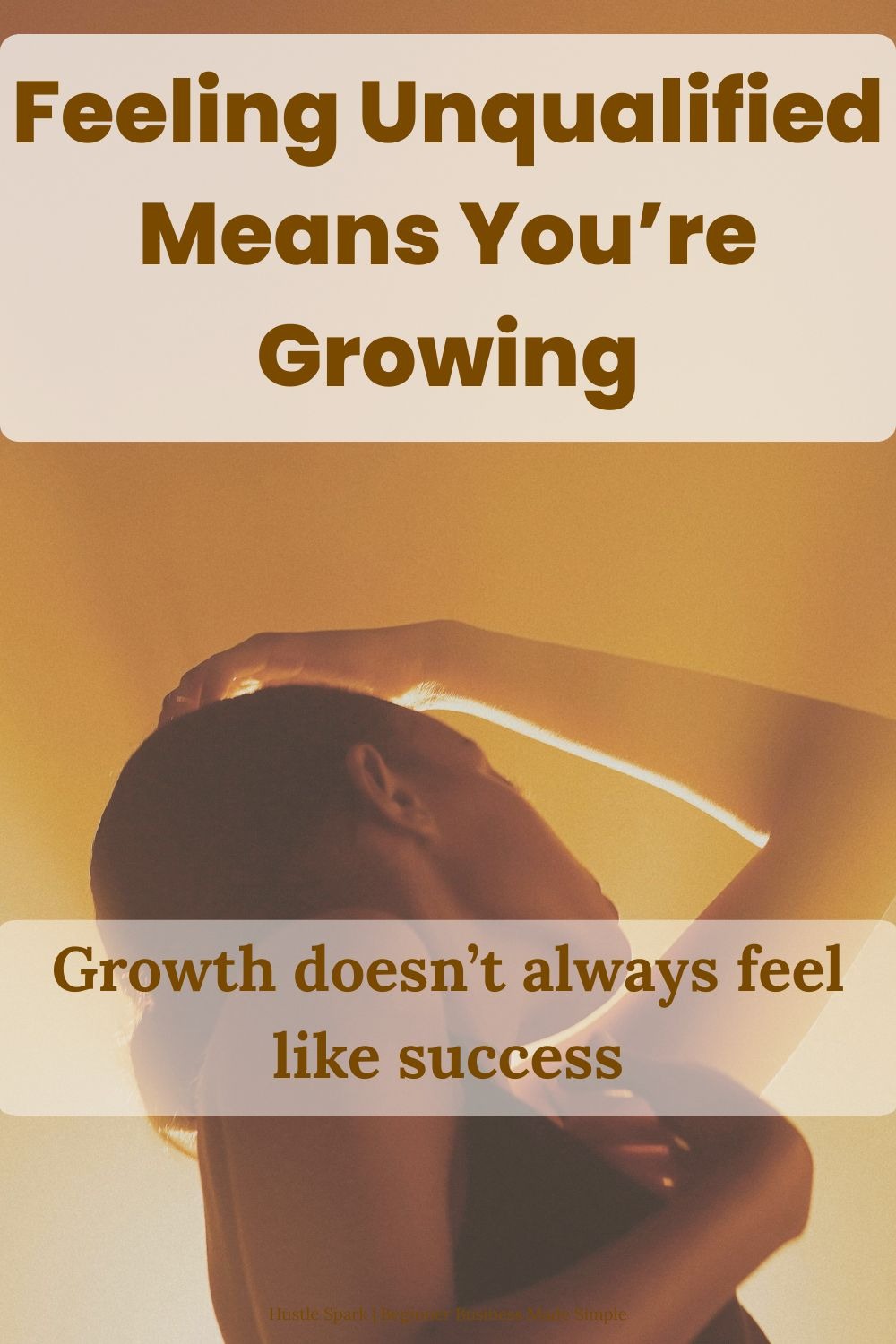
When I launched my first business, I thought confidence would come first.
But the truth? Growth came with a wave of self-doubt.
Every milestone I hit made me feel like I was somehow faking it — as if everyone else knew something I didn’t.
What I didn’t realize then was that imposter syndrome isn’t a red flag — it’s actually proof you’re expanding beyond who you used to be.
🌿 Why Self-Doubt Appears When You’re Growing
Imposter syndrome usually shows up when you step into new territory.
It’s your brain’s way of saying, “This is unfamiliar — are you sure you belong here?”
But here’s the reframe:
You wouldn’t feel like an imposter if you weren’t already doing something bigger than before.
That tension between who you were and who you’re becoming — that’s growth in motion.
Reflection line:
Feeling uncomfortable isn’t failure. It’s evidence you’re evolving.
What Most Entrepreneurs Get Wrong About Confidence
We imagine confidence as a starting point — something we need before taking action.
But confidence actually grows because of action.
You earn it by moving through the messy, uncertain steps most people avoid.
If you’re waiting to “feel ready,” you’ll wait forever.
But if you act while feeling unsure, your courage becomes the evidence your mind needs to catch up.
The Growth Loop: Action → Doubt → Expansion → Confidence
Think of growth like a spiral, not a straight line.
Every time you level up, a little self-doubt will reappear — not because you’re regressing, but because you’re expanding again.
Exercise
Name it: Notice when you’re doubting your belonging.
Normalize it: Say to yourself, “This means I’m growing.”
Nurture it: Do the small next step anyway.
That’s the cycle that turns fear into fuel.
The Hidden Gift of Imposter Syndrome
When you feel like an imposter, it means you care deeply.
You value integrity, growth, and doing things right — that’s not a weakness.
The people who never question themselves often aren’t growing at all.
So instead of asking, “How do I get rid of imposter syndrome?”,
ask, “How can I walk with it more kindly?”
🌱 Grounded Reflection
If you’ve been feeling like you don’t belong in your own business lately —
let that feeling remind you:
You’re becoming someone new.
Growth rarely feels confident.
But it’s still growing.
Practical Next Step
If you’re ready to build real confidence by learning how to turn your ideas into income the right way, check out Internet Millionaire.
The course I recommend for entrepreneurs who want to master smart business growth without getting lost in self-doubt.
It helped me see that clarity and belief come from strategy, not perfection.